When organizing a conference or meeting, selecting the right microphone system is crucial for ensuring clear communication and effective presentations. Both wired and wireless conference systems have their own set of advantages, and understanding the key differences between the two can help you make an informed decision about which system best suits your event's needs. In this article, we will explore the differences between wired and wireless conference systems, focusing on their performance, flexibility, and applications in various settings.
Wired Conference System: Consistency and Reliability
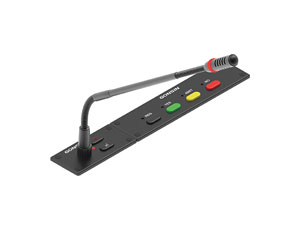
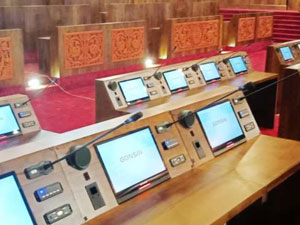
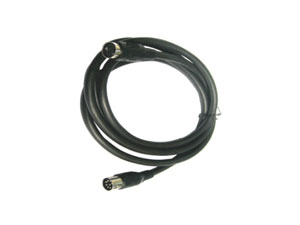
A wired conference system is often regarded as the gold standard in situations where reliability and consistent sound quality are paramount. The primary advantage of a wired conference system is its stable audio transmission, a key factor influencing the conference microphone system price. With a direct connection between the microphone and the audio equipment, there is little to no risk of interference, signal dropouts, or weak connections. This makes wired systems highly reliable for conferences where uninterrupted communication is essential.
Additionally, wired conference systems offer low latency, meaning that the audio signals are transmitted almost immediately. This is especially important in settings where real-time interaction is crucial, such as during Q&A sessions or panel discussions. Furthermore, wired systems are less susceptible to interference from other electronic devices or environmental factors, ensuring that sound quality remains clear and consistent throughout the event.
Wired systems also tend to have a longer operational life, as they do not rely on batteries or wireless signals that may degrade over time. This makes them a suitable choice for high-stakes conferences, large venues, or conferences with many participants where sound clarity and reliability are critical.
Wireless Conference System: Flexibility and Freedom
On the other hand, wireless conference systems provide an exceptional level of flexibility and mobility. The main benefit of wireless systems is the ability to eliminate the need for cables, which can be cumbersome and restrictive, especially in large conference rooms or complex event setups. Wireless microphones allow speakers to move freely around the room without being tethered to a specific location, which is particularly useful in interactive presentations, workshops, or events where mobility is essential.
Wireless conference systems also offer the advantage of easier setup and teardown. Without the need to lay down cables or manage complex wiring, event organizers can save time and effort during event preparation. This can be particularly beneficial in situations where multiple events are being held back-to-back, and fast transitions are necessary.
However, while wireless systems offer impressive convenience, they do come with their own challenges. Signal interference can be a concern in environments with heavy wireless traffic, such as large office buildings or venues with multiple wireless devices. Additionally, wireless systems rely on batteries, and ensuring that microphones are fully charged throughout the event is crucial to avoid interruptions.
Which System is Better for Large Events?
When it comes to large events, choosing between a wired conference system and a wireless one depends on the event’s specific requirements. Wired systems are generally better for larger venues or events that require a higher level of audio consistency, such as conventions, large corporate meetings, or seminars. In these settings, the need for stable, uninterrupted sound is a top priority, and the risks of interference with wireless systems can be avoided with a wired solution.
However, wireless conference systems are often the preferred choice for smaller, more dynamic events, or for those that involve a lot of movement. For example, in training seminars or product demonstrations where the speaker needs to move around the room or interact with attendees, a wireless system offers unparalleled freedom. In such cases, wireless systems can also be more aesthetically appealing as they reduce the clutter of cables, creating a cleaner, more organized environment.
Hybrid Events and Conference Systems
With the growing trend of hybrid events, where both in-person and virtual attendees participate, choosing the right microphone system becomes even more important. In hybrid events, the audio setup must ensure clear communication between both groups, which requires a reliable and effective conference system. Wired conference systems are often preferred for the main speakers and panelists, as they provide a more stable connection, which is essential for clear communication with virtual attendees. These systems also help eliminate any potential wireless signal issues that might arise when streaming to online participants.
Wireless conference systems, however, can still play an important role in hybrid events, particularly for audience interaction. For example, wireless microphones can be used for audience Q&A sessions, allowing in-person participants to engage with remote attendees without the need for cumbersome cabling. By combining the advantages of both wired and wireless systems, event organizers can create a seamless experience for both physical and virtual attendees.
Considerations for Choosing the Right Conference Microphone System
Ultimately, the decision between a wired conference system and a wireless one depends on several factors, including the size of the venue, the nature of the event, and the level of mobility required. For events where audio stability, reliability, and low latency are critical, a wired system is often the better choice. On the other hand, for events that prioritize flexibility and mobility, or where a cleaner, more streamlined setup is needed, a wireless system may be the ideal solution.
When choosing between the two, it is also important to consider other factors, such as the number of microphones required, ease of setup, compatibility with other conference technology, and the potential for interference in the environment. By weighing these considerations carefully, you can ensure that your conference or meeting is equipped with the best microphone system for your needs.
Both wired and wireless conference systems offer unique advantages, and selecting the right system depends on the specific requirements of your event. A wired conference system is ideal for larger events or situations where audio consistency and reliability are essential, while a wireless conference system offers flexibility and ease of movement, making it a great choice for dynamic events. By understanding the strengths and limitations of each system, you can optimize your conference setup to ensure clear, effective communication throughout the event, no matter the format.



 اللغة العربية
  Español
  Français
  Pусский
  简体中文
简体中文 

.webp "FS-FHSS Wireless Simultaneous Interpretation System")
.webp "IR Simultaneous Interpretation System")
.webp "Interpreter Console")