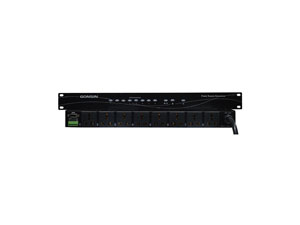
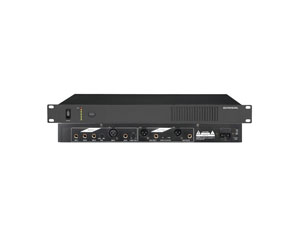
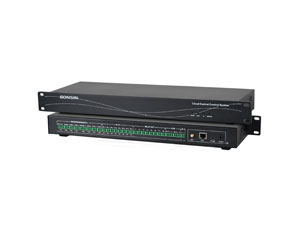
A power supply sequencer is a device used to control the sequence of power-on and power-off operations. It ensures that electronic equipment powers up, shuts down, or restarts in a specific time order, thereby preventing overcurrent and voltage fluctuations caused by simultaneous powering, and protecting the safety and stability of the devices.
Functions of a Power Supply Sequencer
The power supply sequencer can precisely control the on/off timing of each power outlet, ensuring that devices start up and shut down in the predefined sequence. It typically supports multiple operation modes such as sequential startup, timed shutdown, and cyclic startup, which can be configured based on actual needs.
Some advanced power supply sequencers are equipped with overload protection, which automatically cuts off power when the current exceeds the set threshold, preventing damage to the connected devices. In addition, some power supply sequencers support remote control, allowing users to configure and monitor the power sequence via computer or mobile devices over a network.
Usage of a Power Supply Sequencer
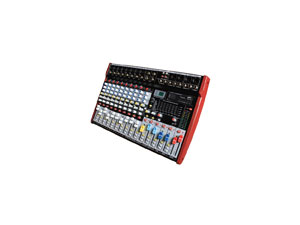
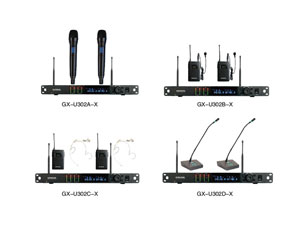
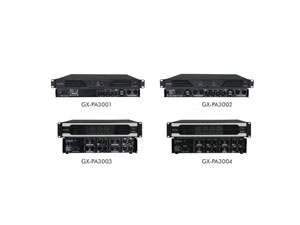
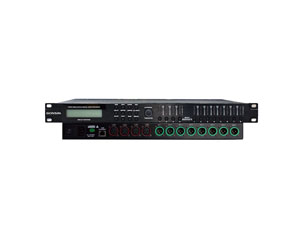
In a complete audio system, devices should be connected to the power supply sequencer's outlets in order based on their signal path—from low-level signal sources (wireless microphones, CD players, DVD players, network media players, etc.), to processing equipment (mixers, equalizers, effects units, feedback suppressors, digital signal processors), and finally to high-power amplification devices. When powering on, devices are activated in sequence from small signal sources to high-power equipment; when shutting down, the sequence is reversed. This method ensures a safe and logical power flow and prevents power surges. With multiple devices, a single action on the power supply sequencer is sufficient to turn the entire system on or off, eliminating the need to operate each device manually. This greatly enhances operational efficiency.
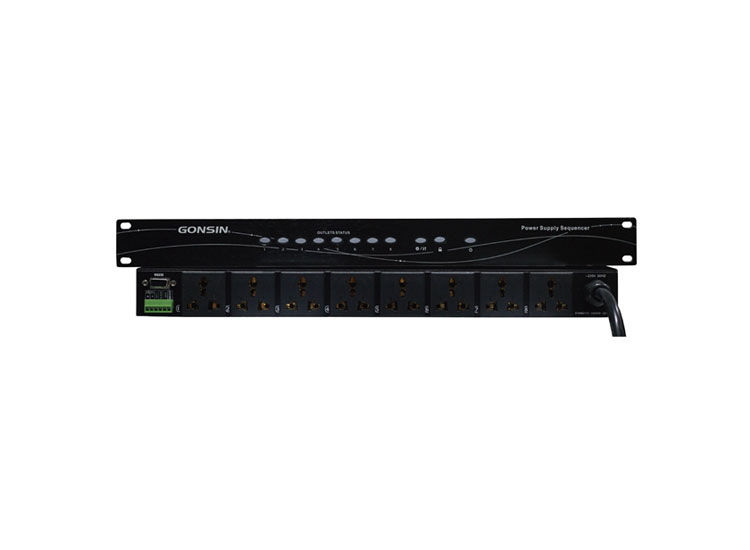
Choosing a Power Supply Sequencer
When selecting a power supply sequencer, begin by determining the number of required power outlets—such as 8, 12, or 16 channels—to ensure all devices receive proper power sequencing. Next, consider the maximum current each outlet can handle, as well as the total current capacity of the unit. You should also evaluate whether you need features like power filtering and voltage regulation, remote control capabilities and control methods, and whether a display screen is necessary—along with the size of the display.



 اللغة العربية
  Español
  Français
  Pусский
  简体中文
简体中文 



.webp "FS-FHSS Wireless Simultaneous Interpretation System")
.webp "IR Simultaneous Interpretation System")
.webp "Interpreter Console")